



 export@skymard.com
 +86-731-8512-4428
 Changsha, Hunan, China
 Language
 Request A Quote
When summer temperatures soar, many equipment owners instinctively reach for the thickest engine oil they can find. The logic seems sound—heat makes oil thinner, so thicker oil must offer better protection, right? Not exactly.
The truth is more nuanced. Choosing the right viscosity for your excavator depends on three key factors: ambient temperature, operating load, and the age of your equipment. Here's what you need to know before your next oil change.
The Summer Viscosity Rule of Thumb
For most excavators operating in summer conditions, SAE 15W-40 is the industry-standard sweet spot. It provides the high-temperature film strength needed to protect engine components while maintaining adequate flow at startup.
Only consider moving to SAE 20W-50 if your equipment operates in extreme heat—consistently above 50°F year-round—or under sustained heavy-load, high-torque conditions such as mining, quarry work, or towing heavy attachments. This higher viscosity oil maintains oil film strength under extreme thermal stress.
A Critical Modern Requirement: CK-4 and Low-Ash Oils
For Tier 4 and Stage V emission-compliant machines, viscosity selection is only half the equation. These engines are equipped with aftertreatment systems—DPF, SCR, EGR—that demand low-SAPS (low sulfated ash, phosphorus, and sulfur) formulations.
Always choose API CK-4 grade oil for these engines. CK-4 is the current heavy-duty diesel engine oil standard designed specifically for modern low-emission engines. Using the wrong oil can damage the aftertreatment system and lead to costly repairs.
Major manufacturers including Caterpillar, Bobcat, and Doosan recommend CK-4 oils for their Tier 4 equipment.
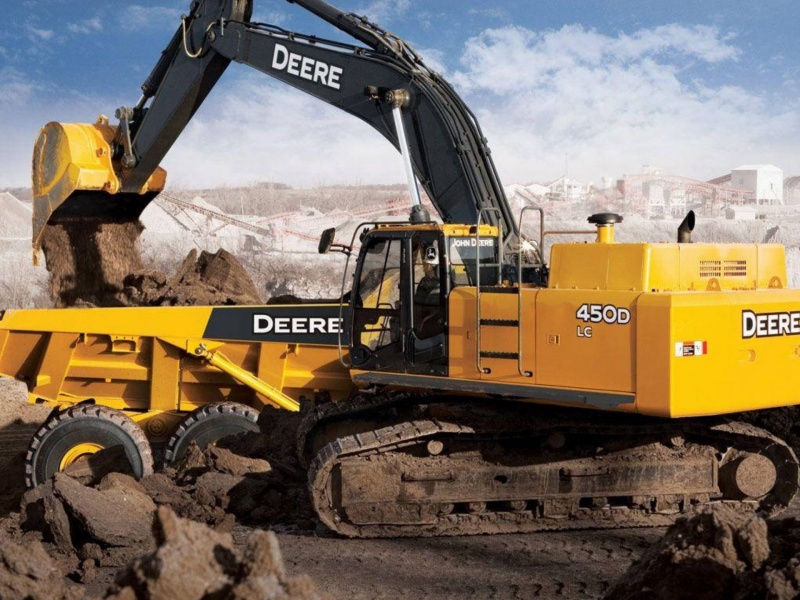
Three Factors That Determine Your Right Viscosity
1. Ambient Temperature: High-temperature environments call for higher viscosity—think 15W-40 or 20W-50. But if you're operating in cooler climates, lighter viscosity oils perform better at startup.
2. Operating Load: Heavy-tonnage machinery under continuous high-speed, heavy-load operation needs higher viscosity to maintain oil film strength. Lighter loads allow for lower viscosity grades.
3. Equipment Age: Newer engines with tighter clearances can run lower viscosity oils. Older equipment with wear-induced clearances actually benefits from higher viscosity to maintain proper sealing and oil pressure.
The Bottom Line
When selecting summer oil for your excavator: consider the conditions, read the manufacturer's spec, and for Tier 4 machines, always go CK-4. Thicker isn't always better—the right oil for your specific machine is what keeps it running all season long.
-
 2026-06-24 The Post-Wading Check Every Excavator NeedsRain leaves hidden damage. After wading, check hydraulic cylinders and hose fittings for seepage. Clear debris from tracks and rollers. Open electrical cabinets—connectors must be dry, no rust. 10 minutes prevents major repairs.View More
-
 2026-06-24 Excavator AC Maintenance—Don't Let Summer Heat WinDirty filters and clogged condenser coils kill excavator AC performance. Learn summer maintenance tips to keep cabs cool, operators comfortable, and machines productive.View More
-
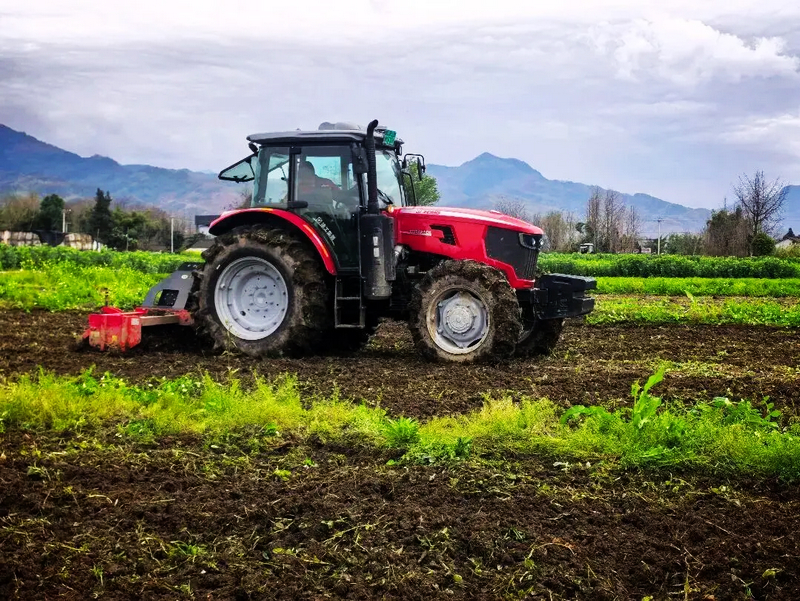 2026-06-24 XCMG Tractors Empower Spring Farming Across ChinaAgriculture remains the foundation of national development. This year’s policy emphasis once again highlights the role of technological innovation in driving modern agricultural productivity.View More
-
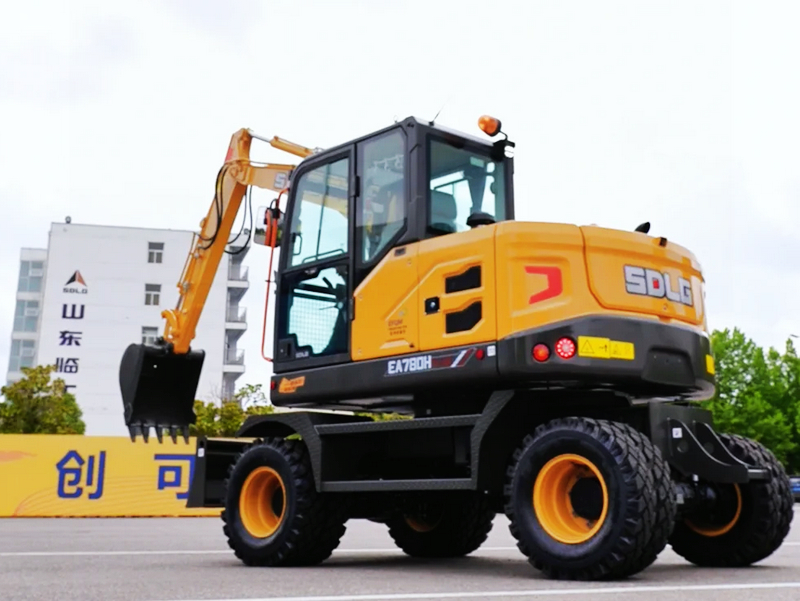 2026-06-24 SDLG EA780H Plus Wheeled Excavator OverviewThe SDLG EA780H Plus wheeled excavator is designed to deliver strong performance, efficiency, and flexibility across a wide range of construction applications. As a versatile machine for urban and infrastructure projects, it combines powerful performance with cost-effective operation.View More
-
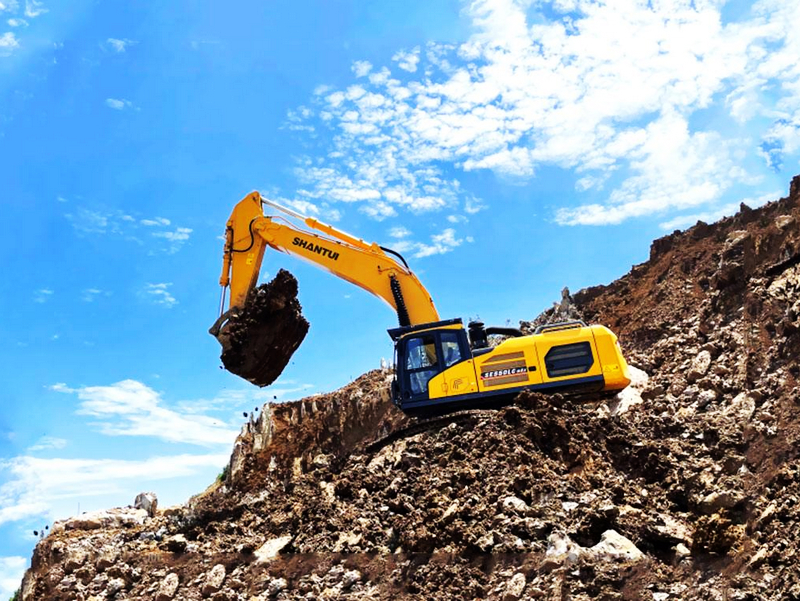 2026-06-24 SHANTUI SE800LC-10W Excavator Delivered Again to Major GroupRecently, a large industrial group took delivery of another SHANTUI SE800LC-10W hydraulic excavator. This marks the customer’s second purchase of the same model within one year. The repeat order is a direct result of the outstanding performance and proven reliability demonstrated by the first unit in real mining operations, highlighting the long-term trust built through SHANTUI’s commitment to product quality and customer value.View More
-
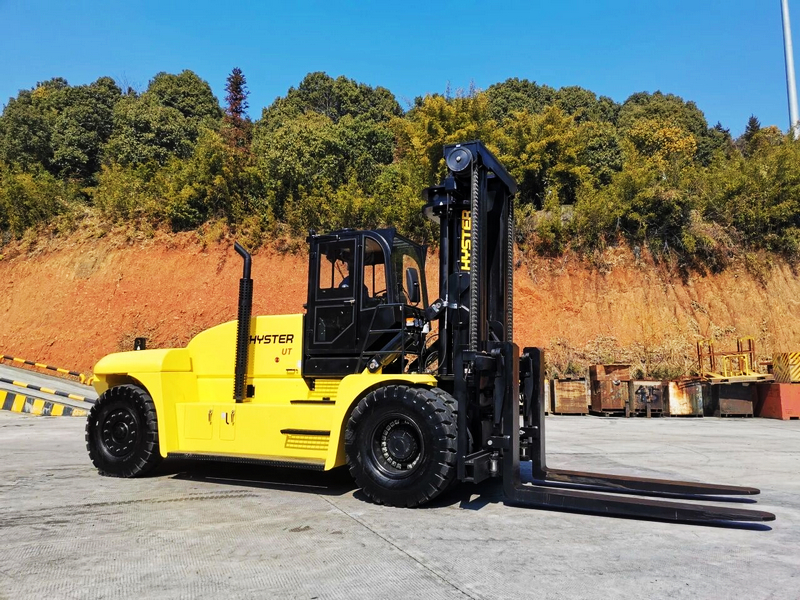 2026-06-24 Heavy-Duty Forklift Delivery Marks New Win-Win CooperationRecently, a new order of HYSTER heavy-duty forklifts was successfully delivered, marking another important milestone in the long-term cooperation between HYSTER and its partner Wuxi Haiteli. With the support of HYSTER’s regional sales team in East China, the H25UT heavy-duty forklift was officially handed over to the customer, providing a strong boost to the efficiency upgrade of its logistics operations.View More
-
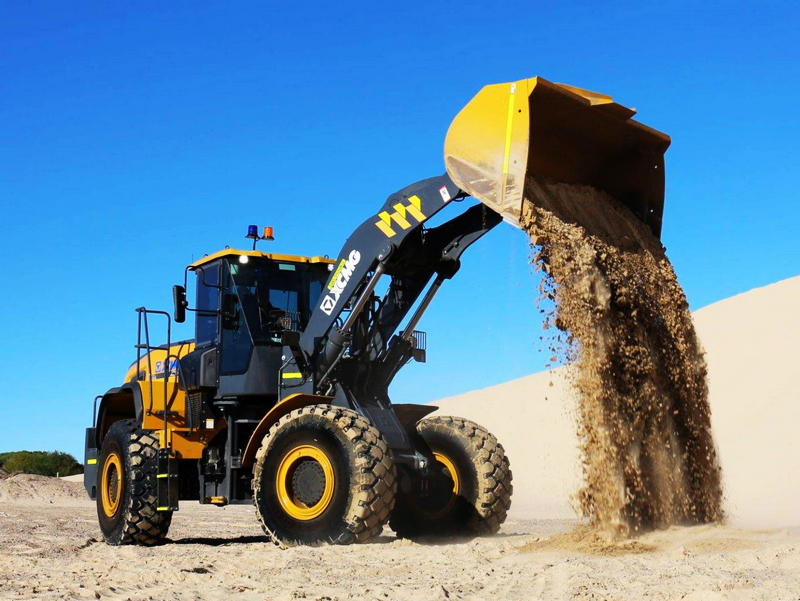 2026-06-24 XCMG Wheel Loader Technology Driving Efficient Material HandlingXCMG wheel loaders are widely recognized for their strong performance, reliable structure, and efficient operation across construction, mining, and material handling applications. Through continuous technological innovation and practical engineering design, XCMG has developed wheel loaders that meet the demanding requirements of global job sites.View More
-
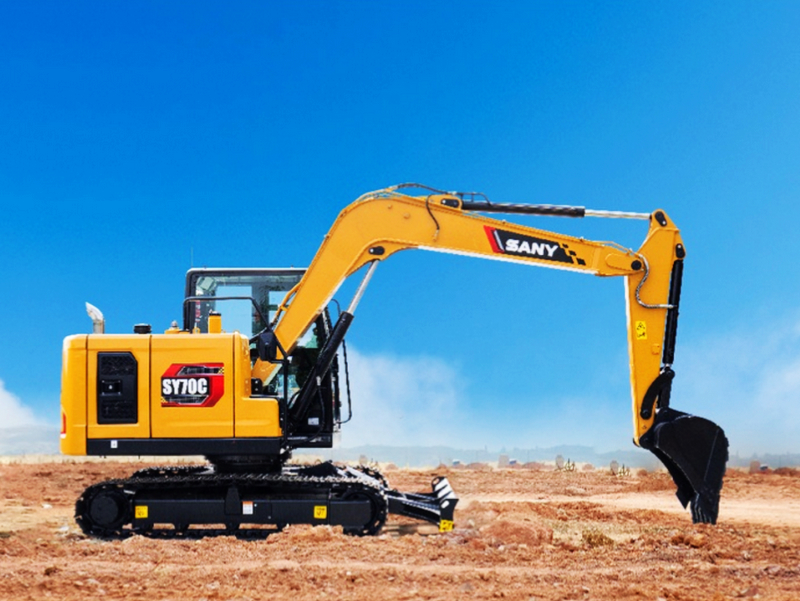 2026-06-24 SANY SY70C: Upgraded Efficiency, Durability and Operator ComfortSANY has introduced the upgraded SY70C excavator, delivering lower fuel consumption, stronger structural performance, and a renewed operator experience. With enhanced power, refined hydraulics, and a more ergonomic cabin design, the SY70C offers a more efficient and comfortable solution for diverse construction tasks.View More
-
 2026-06-24 SINOBOOM Unveils Latest Aerial Work Platforms at BICES 2025At the 17th China (Beijing) International Construction Machinery, Building Material Machinery, and Mining Machinery Exhibition (BICES 2025), SINOBOOM showcased its latest R&D achievements in the aerial work platform sector, presenting several upgraded star products that attracted wide attention from the industry.View More
-
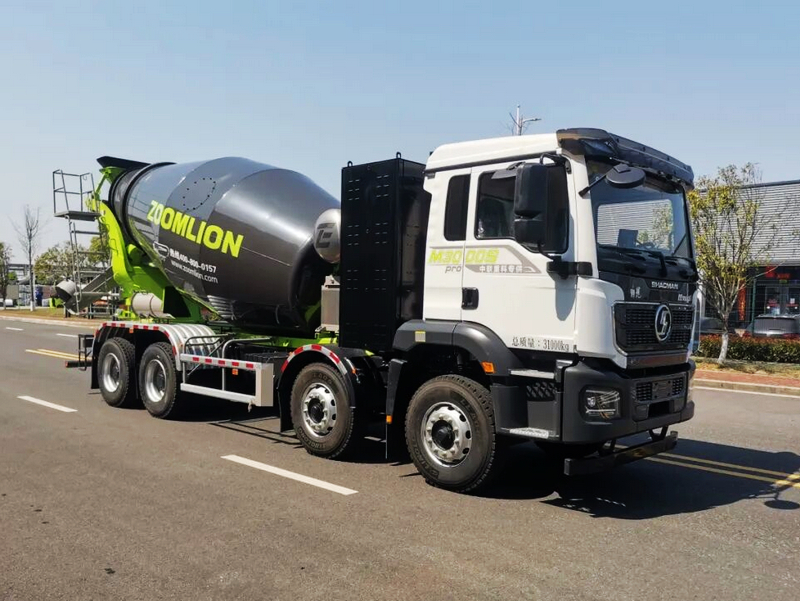 2026-06-24 ZOOMLION Power Battery Passes GB38031-2025 TestsRecently, ZOOMLION’s independently developed series of power batteries successfully passed all tests required by the mandatory national standard GB38031-2025 Safety Requirements for Traction Batteries of Electric Vehicles (hereinafter referred to as the new standard), providing a new solution for safety performance in new energy construction machinery.View More

 +86-731-8512-4428
 +86-731-8512-4428
 +86-199-7396-9036
 Suite 35022, Fuxing Times Financial Center T3, Dongfeng Road Street, Kaifu District, Changsha, Hunan, China