



 export@skymard.com
 +86-731-8512-4428
 Changsha, Hunan, China
 Language
 Request A Quote
Heavy summer rain keeps the job moving, but it leaves hidden damage behind. After an excavator wades through water or works in waterlogged ground, several critical systems need inspection before the next shift.
The first priority is the hydraulic system. Water ingress and temperature changes can cause seals to weaken and fittings to loosen. Inspect hydraulic cylinders, hose fittings, and valve blocks for any signs of oil seepage. Even a minor weep indicates a compromised seal that will worsen under pressure. Addressing it early prevents major leaks and component damage.
The undercarriage comes next. Mud, weeds, and debris wrap around tracks, rollers, and idlers during wet-ground operation. This material traps moisture against metal surfaces and accelerates rust. It also increases rolling resistance and wear on track components. Clear all debris and inspect for signs of corrosion or abnormal wear.
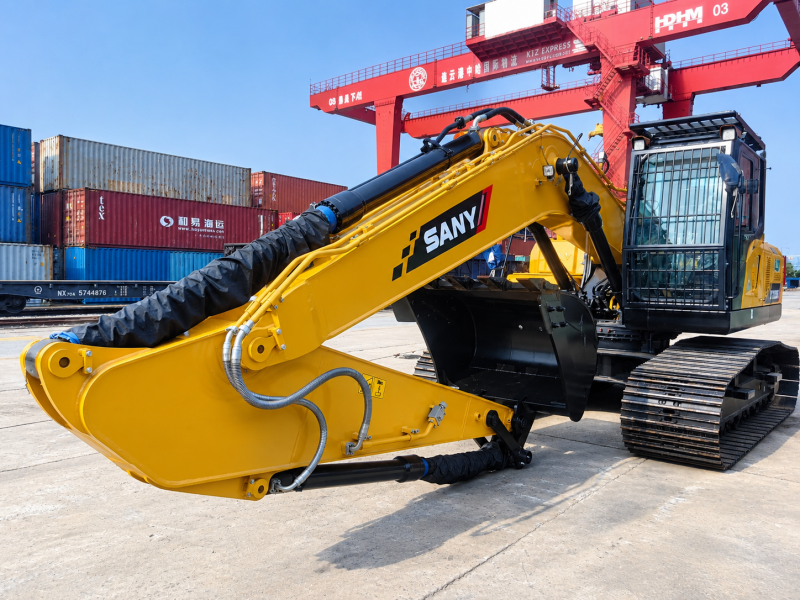
Electrical systems require the most careful attention. Open the control cabinet and confirm that wiring connectors are dry and free of water stains or rust. Moisture inside electrical enclosures causes short circuits, corrosion, and intermittent faults that are difficult to diagnose. If any connector shows signs of moisture, dry it thoroughly and apply dielectric grease before reassembly.
Manufacturer inspection protocols from mining operations, including those at the Honghe mining area, list these checks as standard procedure after continuous rainfall. The process takes approximately 10 minutes per machine. It prevents hydraulic leaks, electrical failures, and undercarriage corrosion from developing into unplanned downtime.
For fleet managers, post-rain inspection is not optional. It is the cheapest insurance against the damage that water leaves behind.
-
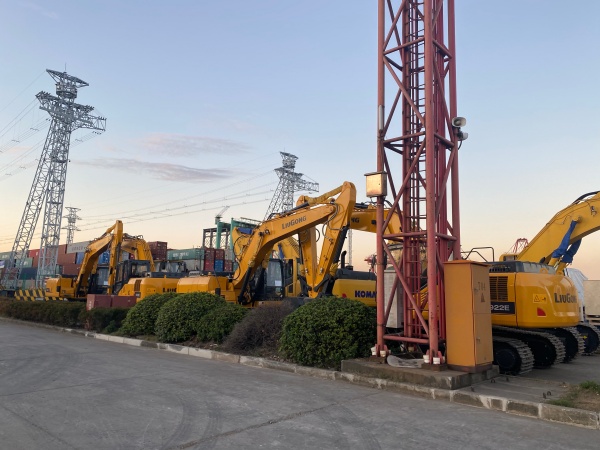
 2026-09-22 Aging Wiring Harnesses — The Summer Fire Hazard Hidden on Every ExcavatorSummer heat cracked aging wiring on excavators, creating fire risks from exposed wires and oil leaks. Learn why 5-minute weekly inspections prevented equipment loss and downtime.View More
-
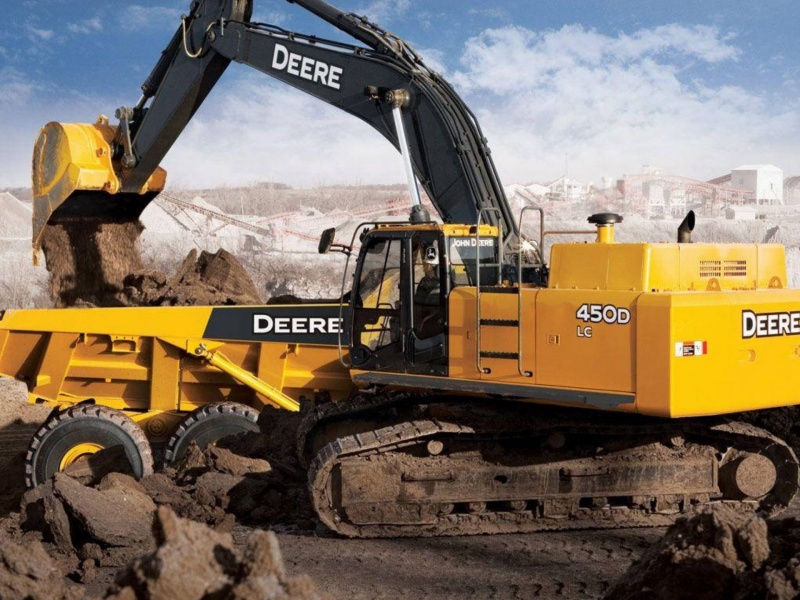 2026-09-22 Choosing Summer Engine Oil for Excavators—Why Thicker Isnt BetterLearn how to choose the right summer engine oil viscosity for your excavator. When to use 15W-40 vs 20W-50 and why CK-4 oil is essential for Tier 4 engines.View More
-
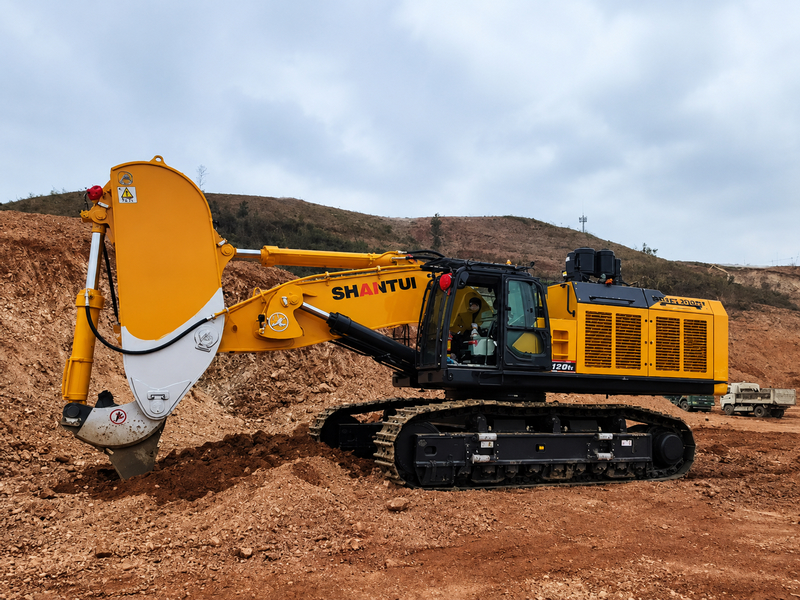 2026-09-22 SHANTUI SE1200HK Delivers Powerful Performance in Hard Rock MiningThe SHANTUISE1200HK large mining excavator is proving its strength at a major mining project in eastern China, delivering over 1,000 tons of crushing productivity per hour in demanding hard rock conditions.View More
-
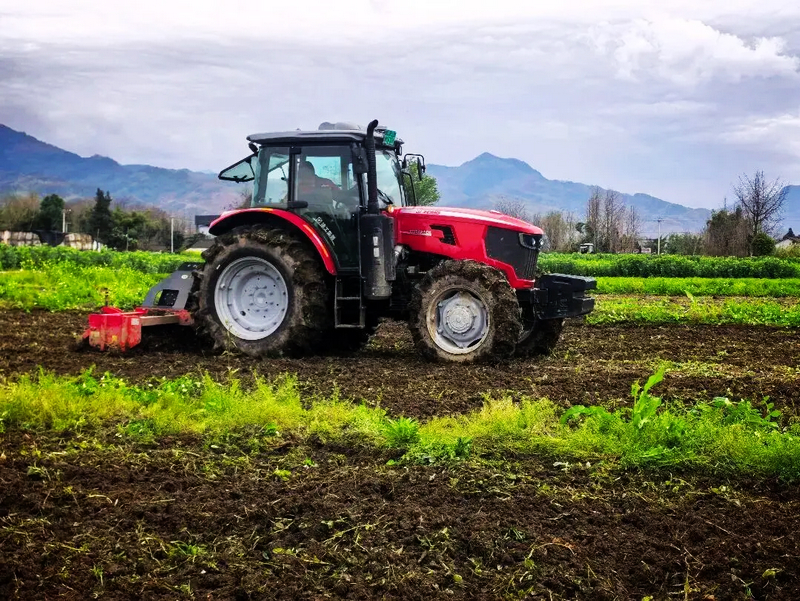 2026-09-22 XCMG Tractors Empower Spring Farming Across ChinaAgriculture remains the foundation of national development. This year’s policy emphasis once again highlights the role of technological innovation in driving modern agricultural productivity.View More
-
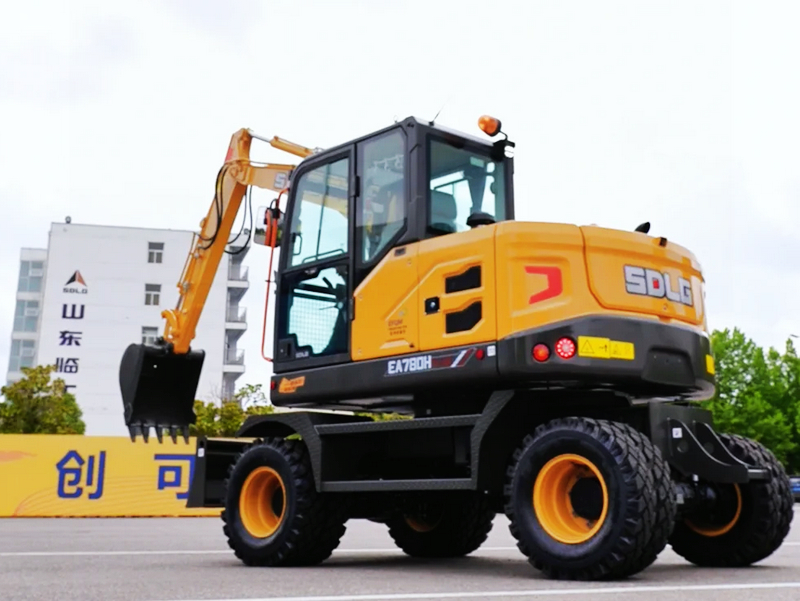 2026-09-22 SDLG EA780H Plus Wheeled Excavator OverviewThe SDLG EA780H Plus wheeled excavator is designed to deliver strong performance, efficiency, and flexibility across a wide range of construction applications. As a versatile machine for urban and infrastructure projects, it combines powerful performance with cost-effective operation.View More
-
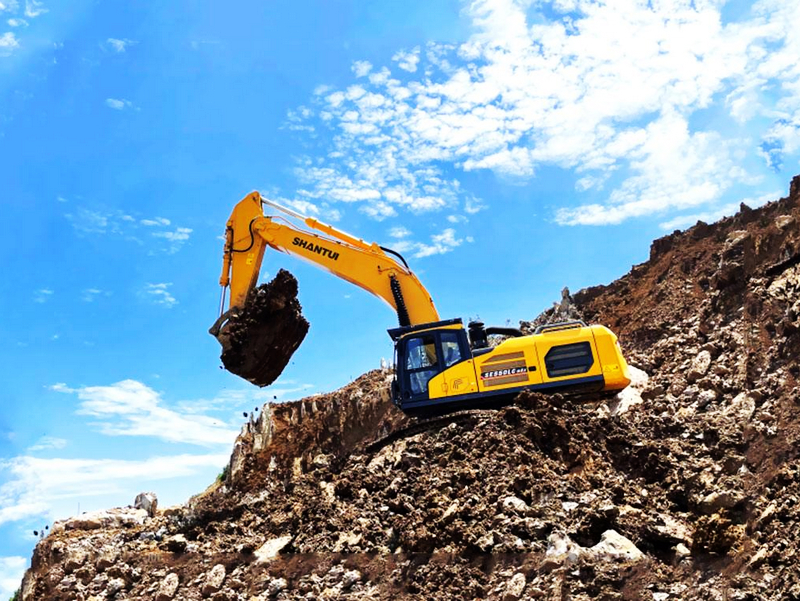 2026-09-22 SHANTUI SE800LC-10W Excavator Delivered Again to Major GroupRecently, a large industrial group took delivery of another SHANTUI SE800LC-10W hydraulic excavator. This marks the customer’s second purchase of the same model within one year. The repeat order is a direct result of the outstanding performance and proven reliability demonstrated by the first unit in real mining operations, highlighting the long-term trust built through SHANTUI’s commitment to product quality and customer value.View More
-
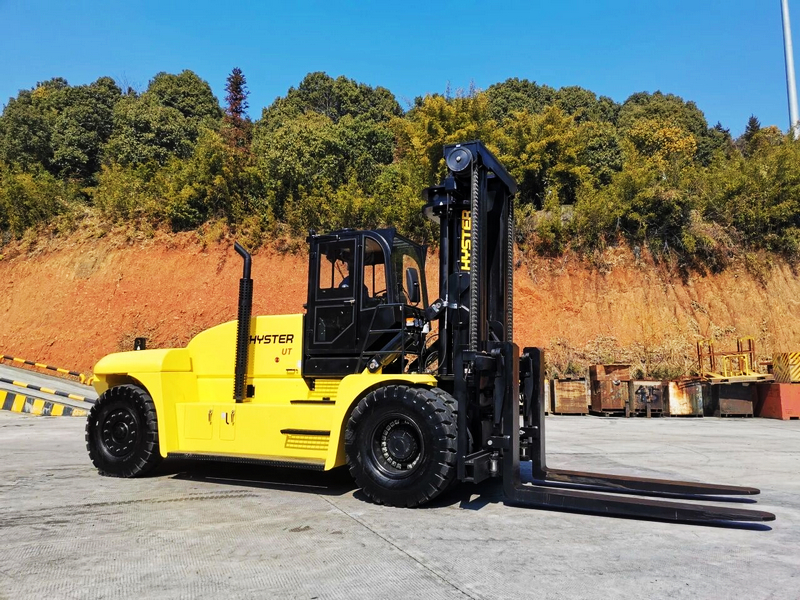 2026-09-22 Heavy-Duty Forklift Delivery Marks New Win-Win CooperationRecently, a new order of HYSTER heavy-duty forklifts was successfully delivered, marking another important milestone in the long-term cooperation between HYSTER and its partner Wuxi Haiteli. With the support of HYSTER’s regional sales team in East China, the H25UT heavy-duty forklift was officially handed over to the customer, providing a strong boost to the efficiency upgrade of its logistics operations.View More
-
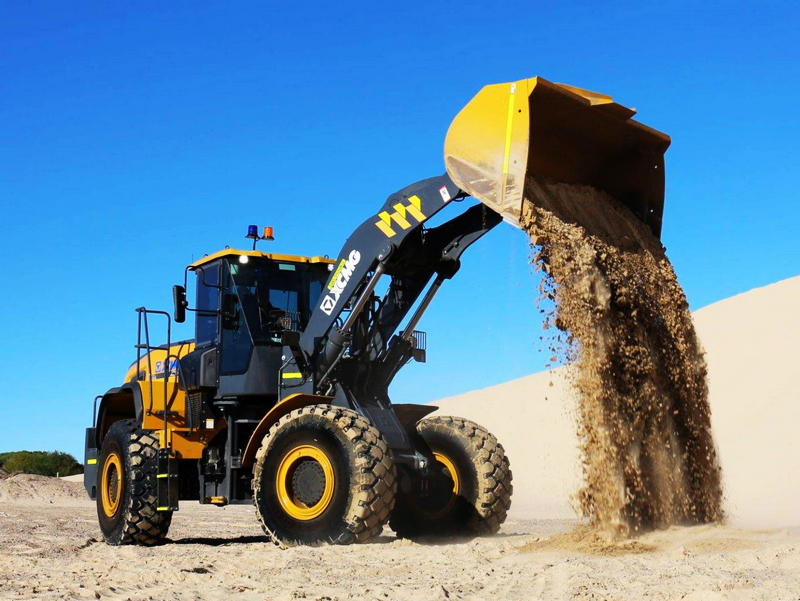 2026-09-22 XCMG Wheel Loader Technology Driving Efficient Material HandlingXCMG wheel loaders are widely recognized for their strong performance, reliable structure, and efficient operation across construction, mining, and material handling applications. Through continuous technological innovation and practical engineering design, XCMG has developed wheel loaders that meet the demanding requirements of global job sites.View More
-
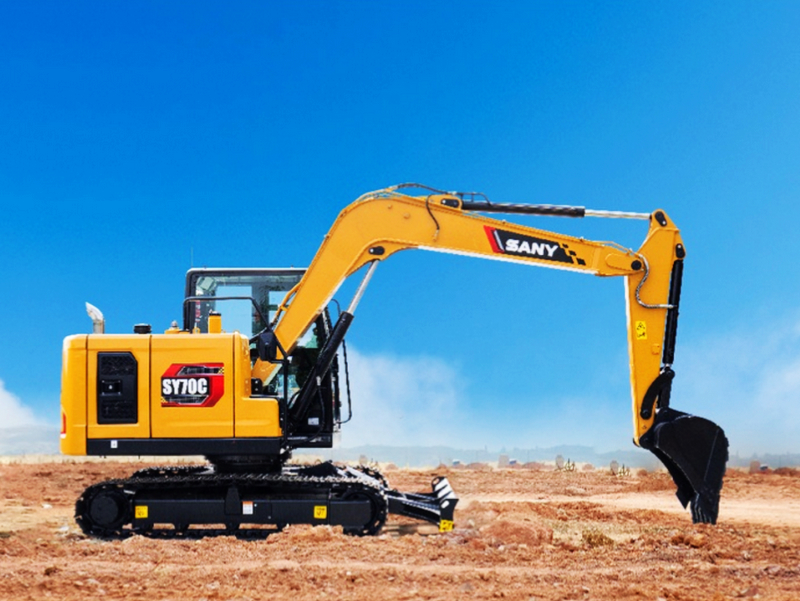 2026-09-22 SANY SY70C: Upgraded Efficiency, Durability and Operator ComfortSANY has introduced the upgraded SY70C excavator, delivering lower fuel consumption, stronger structural performance, and a renewed operator experience. With enhanced power, refined hydraulics, and a more ergonomic cabin design, the SY70C offers a more efficient and comfortable solution for diverse construction tasks.View More
-
 2026-09-22 SINOBOOM Unveils Latest Aerial Work Platforms at BICES 2025At the 17th China (Beijing) International Construction Machinery, Building Material Machinery, and Mining Machinery Exhibition (BICES 2025), SINOBOOM showcased its latest R&D achievements in the aerial work platform sector, presenting several upgraded star products that attracted wide attention from the industry.View More

 +86-731-8512-4428
 +86-731-8512-4428
 +86-199-7396-9036
 Suite 35022, Fuxing Times Financial Center T3, Dongfeng Road Street, Kaifu District, Changsha, Hunan, China